|
□
If you are a person who
stutters (stammers), do words sometimes feel like they contain "brick walls," even
before you try to say them? Do you
force on initial consonants when trying to get out the words?
Do you sometimes choke on words that start with
vowels?
Do your blocks
often get
stronger the harder you try to push through them?
□
Are you able to speak fluently
some
of
the time, but find yourself blocking on words when speech is most
important (e.g.,
introducing yourself, ordering in a restaurant, or
talking on the phone or to groups or to authority figures)?
□
Are you
generally fluent when you mouth words
silently,
when you whisper,
and when you sing?
□
Have you tried various stuttering
therapies and fluency-shaping techniques in an effort to stop stuttering, but found them
to be unnatural-sounding, distracting, hard to maintain, and totally ineffective
when you really need them?
□
Are you reluctant to spend thousands of
dollars on stuttering therapy programs or electronic fluency devices that may
not really be the "stuttering cure" you were hoping for?
|
If so,
Valsalva Stuttering Therapy
may provide the answers you are looking for.
It offers a new
opportunity to enjoy easier, less effortful speech without drugs, electronic devices,
or unnatural-sounding speaking techniques.
William D. Parry, M.A., CCC-SLP
Speech Therapist
|
I have personally known the agony of stuttering for much of my life. After many therapies failed to help me stop
blocking on words, I discovered a new approach
that dramatically increased my fluency and enabled me to become a
successful trial lawyer.
Since 1985, I have been intensely involved in the
stuttering self-help movement, leading support group meetings for people who stutter
for more than 15 years, serving on the Board of Directors of the
National Stuttering Association (U.S.), and presenting workshops at national and
international conferences. To further my goal
of helping those who stutter, I obtained a graduate degree in
speech-language pathology and became a licensed and ASHA-certified
speech-language pathologist.
Valsalva Stuttering Therapy, in its current
form, has been developed through actual clinical experience,
experimentation, and practice-based evidence, involving the participation
of more than 200 persons who stutter from all over the world.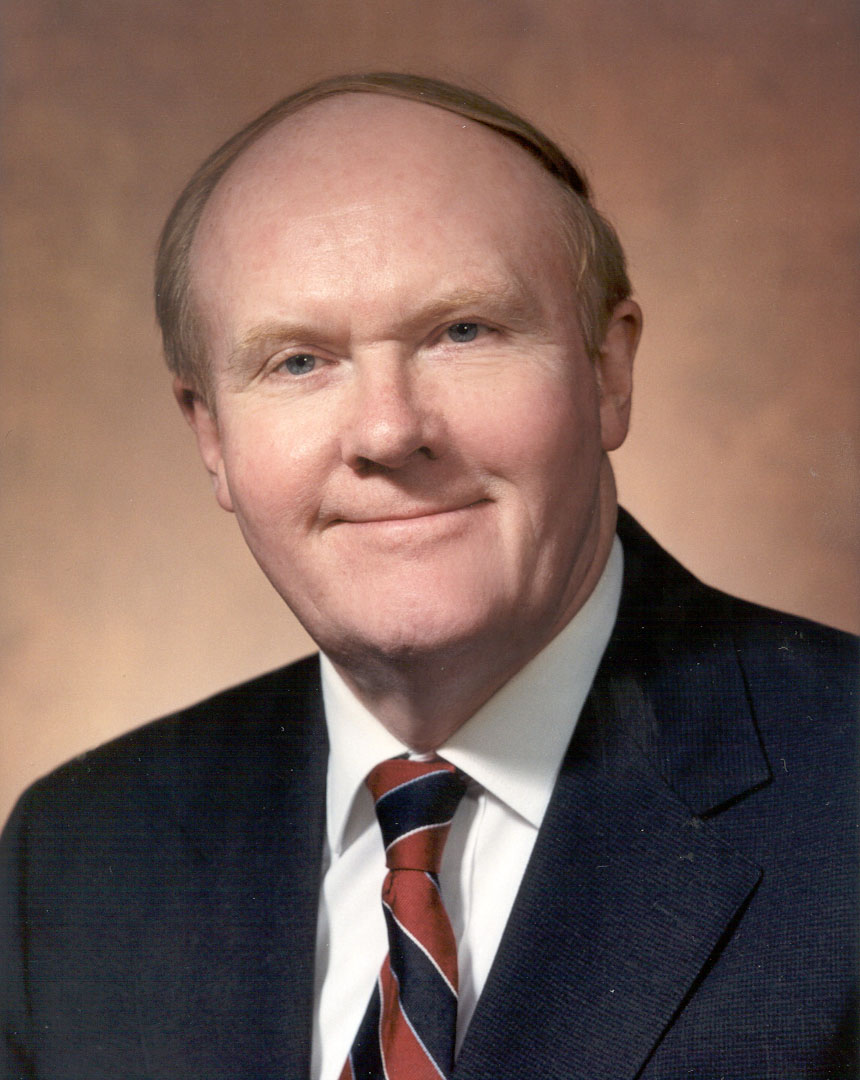
I offer Valsalva Stuttering Therapy worldwide by
video conferencing over the Internet
(depending on your location and
subject to applicable law).
Free consultations are
offered to persons interested in therapy.
E-mail me at
stuttertherapy@aol.com
for further information.
|
Copyright © 2021 by William D. Parry
Last revised: 11/17/2021 |
|
More information:
|
